

If there is one question that comes up again and again when it comes to kilims, it is this: What size should I choose? And yes, I know – there are countless jokes about ‘size matters’. They may have been original at one time, but now they are so overused that their expiry date lies somewhere between hieroglyphics and papyrus.
So let’s politely flash that joke here, nod amiably – and then move on to what’s really important. Because finding the perfect kilim size is much easier than many people think. First and foremost, what matters is what feels right for you. And with a little information, it’s much easier
to make the right decision that suits you. Here’s an initial overview.
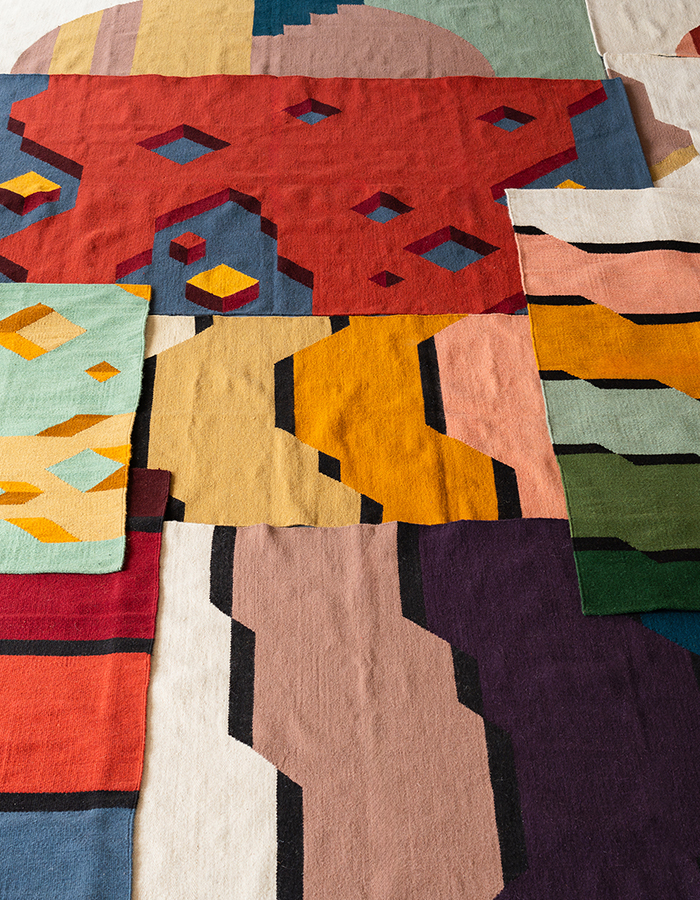
A kilim is not just a decorative object that you place somewhere. It connects pieces of furniture to form a unified whole, creates calm or even excitement, defines areas – and often completes a room. But don’t worry: you don’t need to have studied interior design or run around with a laser tape measure. We’ll go through the whole process step by step.
This is actually the most common problem. A kilim that is too small often looks as if it is “running away”. The furniture then stands around it like indecisive extras.
Why is that? It’s simple: when a kilim connects furniture, it creates calm. If it is too small, the furniture appears separated or disjointed – and the room appears smaller.
And as always: These are guidelines – when in doubt, trust your instincts.
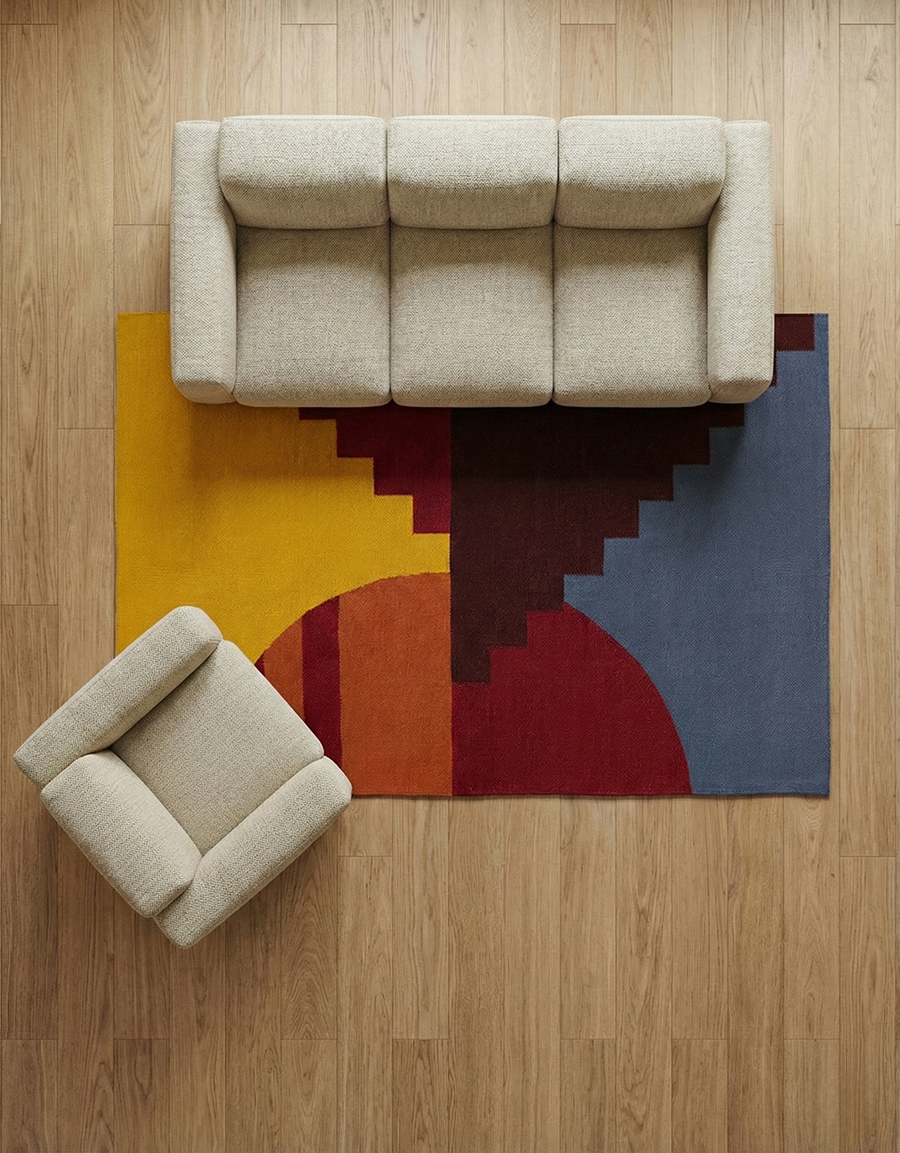
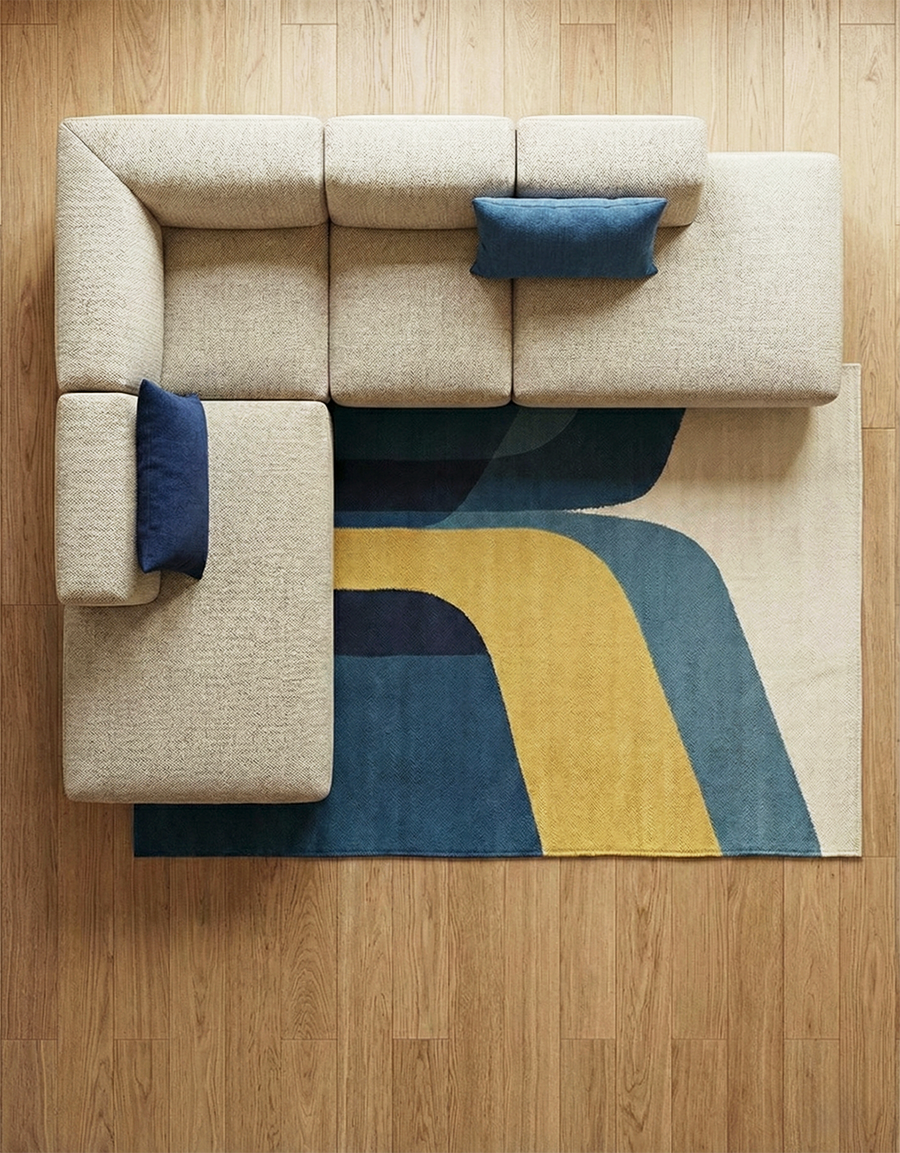
Yes, it can. A kilim is too large if it…
But the simple rule is: As long as there is a nice border around the area you want to define, it is almost always perfectly
fine.
Why a kilim needs room to breathe: The room then appears spacious, clear and calm. A distance of 20 to 30 cm from the wall is sufficient.
There are two simple reasons for this:
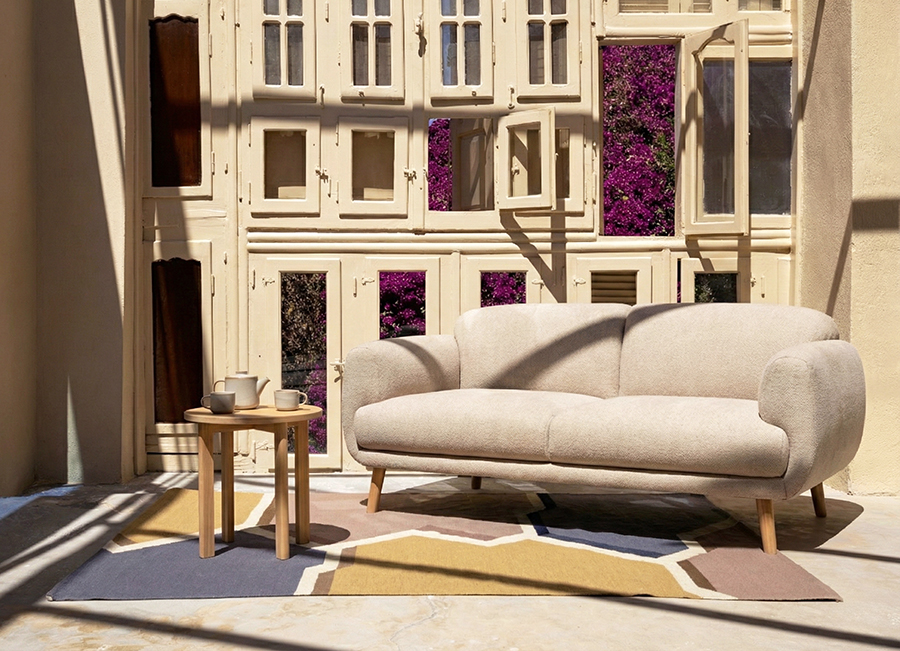
There are three options that always work:
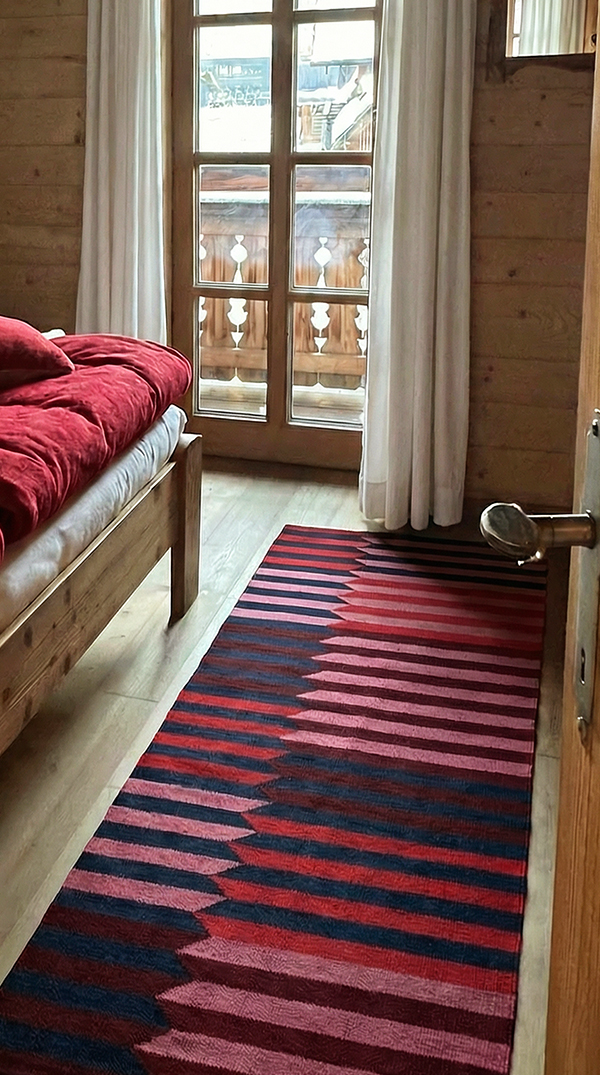
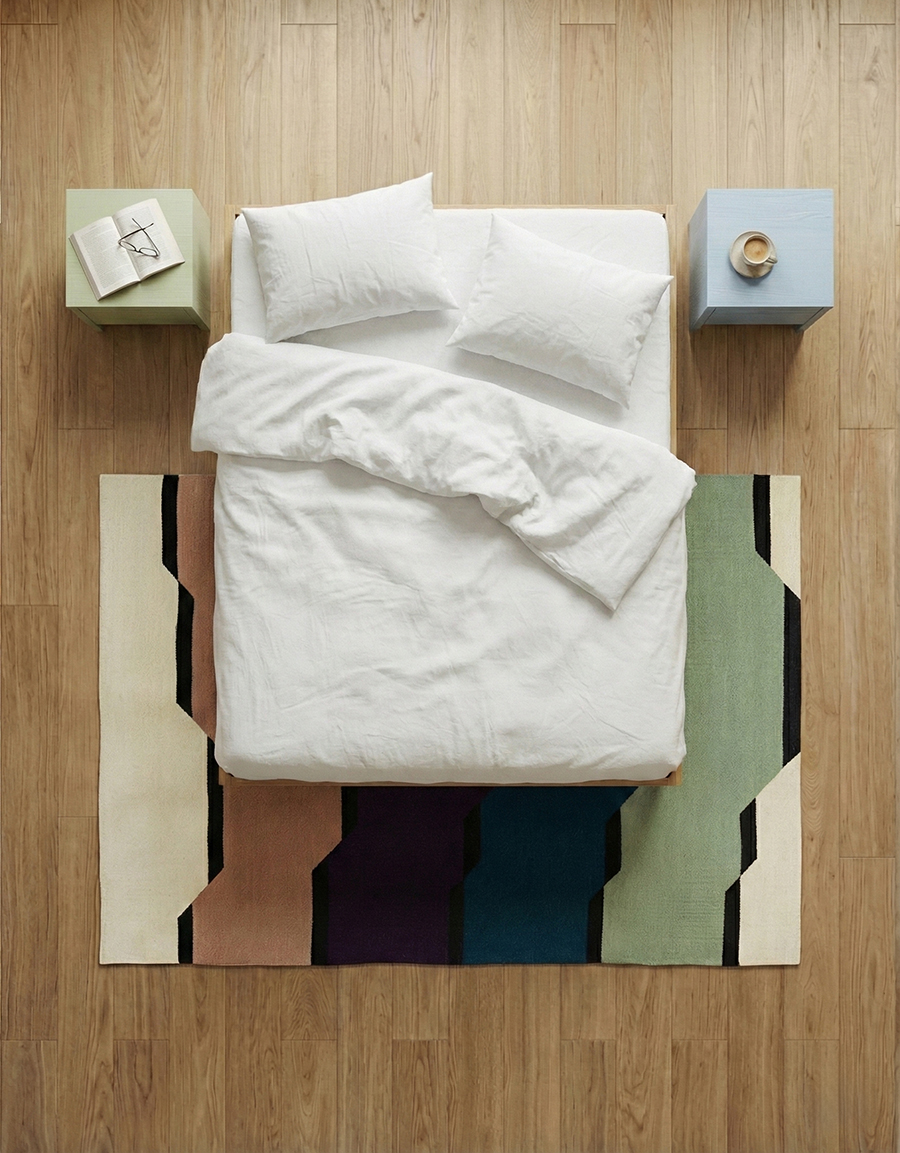
After all, it wants warm feet too. Put simply: When seated, the chair should ideally be completely on the kilim. The rule of thumb: at least approx. 50 cm beyond the edge of the table on each side. Example: if the table is 90 cm wide, the kilim should be at least 190 cm wide. This ensures that the chairs are stable and do not slide halfway off the rug when you sit down.
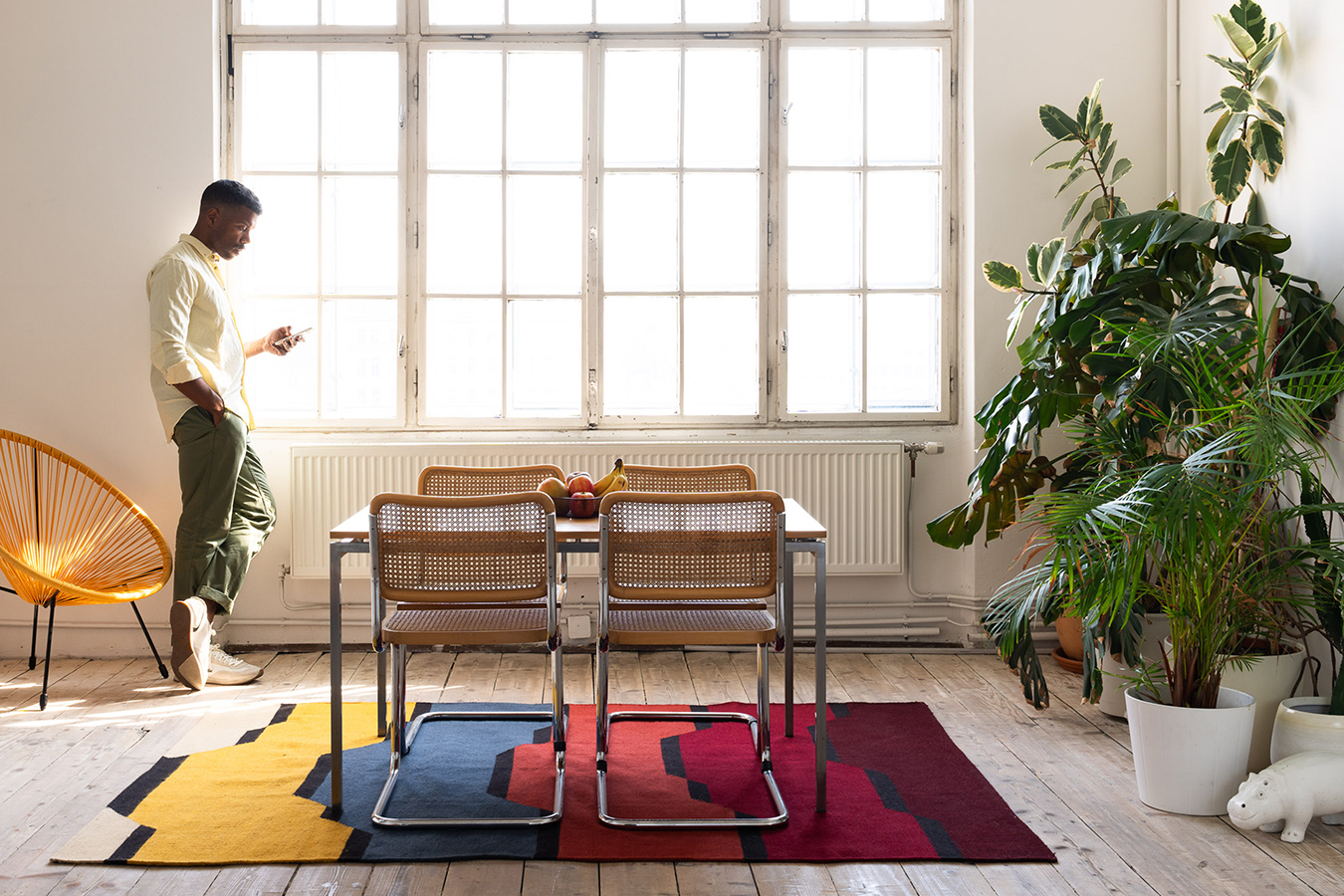
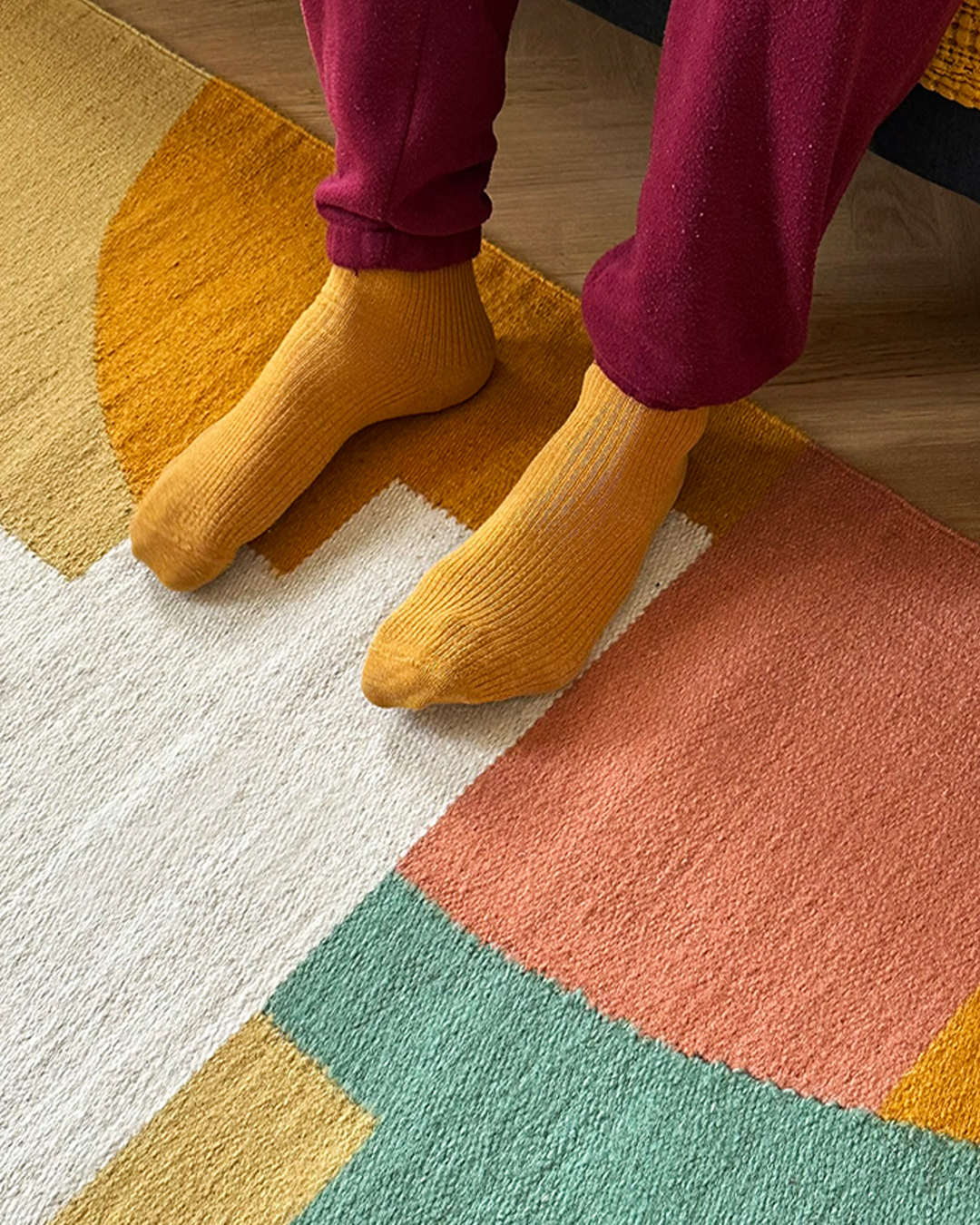
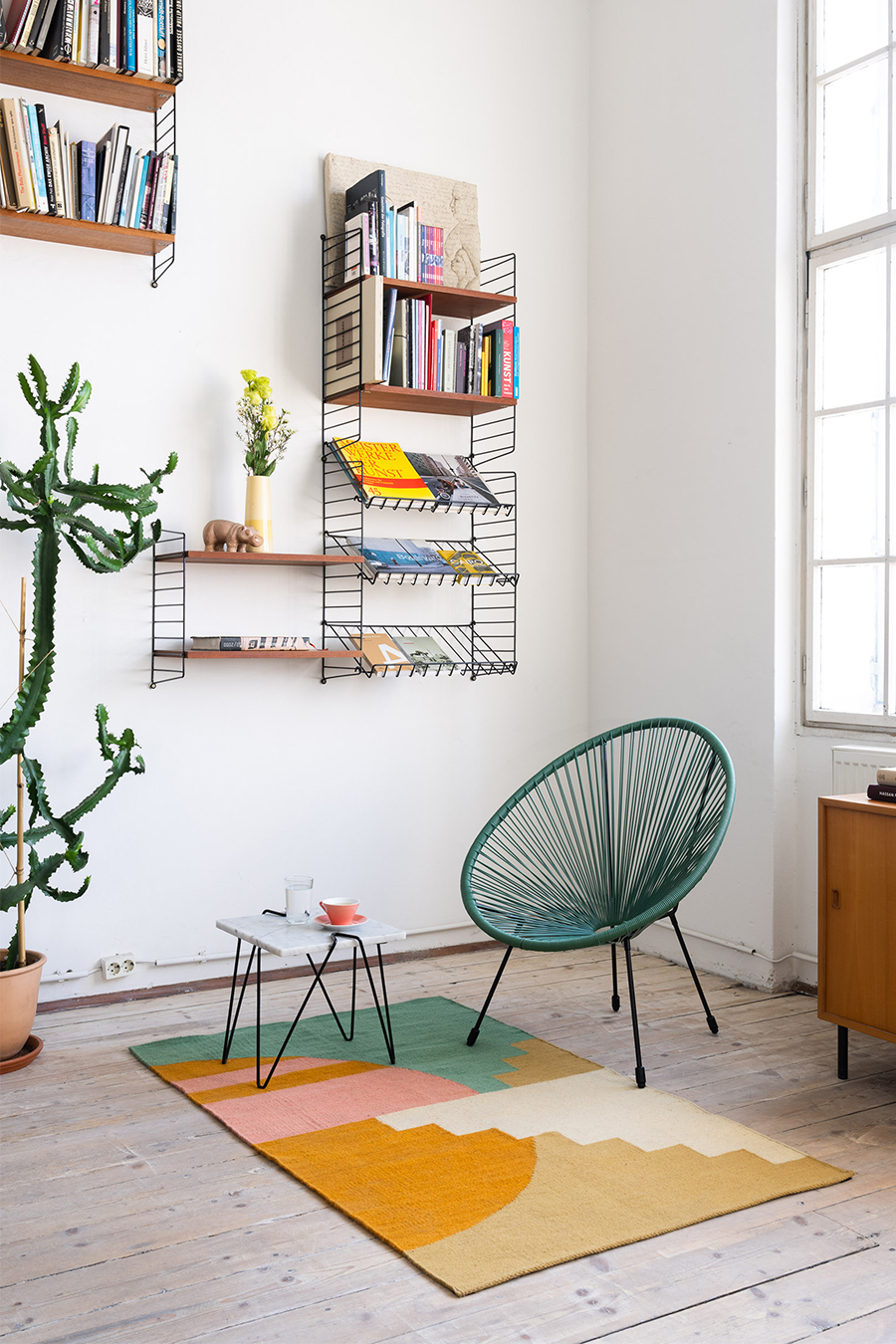
And what about XS or S size kilims? They work particularly well
Small formats are ideal for adding accents without dominating the room.
Place one or more sheets or blankets on the floor and fold them so that they roughly correspond to the desired rug size. Alternatively, you can simply tape the outline of the area with tape. This will give you a realistic feel for the right size and spatial effect in just a few minutes.
Finding the right size isn’t complicated.
You just need to understand how a kilim can calm, connect, define or accentuate a room –
depending on what you want to achieve.
The rest is intuition. And a few simple tricks.
If you’re unsure, feel free to contact us at any time.
Together, we’ll find the size that really works for your space.
And yes – in this one case, size really does matter. But now at least you know why.
Book your appointment and explore the kilim collection.
Burggasse 88, 1070 Vienna, Austria.